Which Method is the best to use Inbound vs Outbound Marketing: A 2026 Update
Marketing is not optional. It’s structural. You can have the best product, the strongest service offering, or the most competitive pricing in your market. Still, if your ideal customers don’t know you exist, your advantage is theoretical. Visibility precedes revenue. The classic question still applies: If a tree falls in the forest and no one hears it, does it make a sound? In business terms, if your brand delivers value but has no distribution, reach, or awareness, does it really compete? In 2026, marketing is no longer just about “getting attention.” It’s about earning trust, capturing intent, and converting attention into predictable revenue.
That said, marketing is not easy work. There is no plug-and-play formula that guarantees beautiful ROIs. Algorithms change, platforms shift, privacy rules tighten, and customer behavior evolves. Effective marketing today requires:
- Strategy
- Experimentation
- Data-driven decision-making
- Continuous optimization
There is no universal “best strategy.” The only strategy that works is the one that aligns with your market, margins, funnel, and growth goals. This is why many businesses partner with experienced digital agencies to accelerate results and avoid the costly trial-and-error process. (Yes, that’s your cue.) Let’s break down two foundational approaches every business must still understand in 2026: Inbound and Outbound Marketing
Inbound Marketing (Attract, Don't Interrupt)
Inbound marketing focuses on pulling customers toward your brand by delivering value before asking for a sale. Instead of chasing attention, you design systems that capture demand when people are actively searching, researching, or comparing solutions.
In 2026, inbound is powered by:
- Search Engine Optimization (SEO)
- AI-assisted content creation
- Educational short-form video
- Social media content
- Email and CRM automation
- Lead magnets and conversion funnels
At its core, inbound is still about one principle: Solve real problems publicly so the right customers find you organically.
Why Inbound Marketing Works in 2026
- Builds Trust at Scale
Educational content positions your brand as an authority before the sales conversation even begins. - Compounds Over Time
Well-optimized content, SEO assets, and evergreen resources continue generating leads long after they’re published. - Aligns with Buyer Behavior
Modern buyers research before they buy. Inbound meets them at the research stage instead of waiting at the checkout. - Supports AI-Driven Discovery
Search engines, AI assistants, and recommendation algorithms increasingly surface authoritative content. Strong inbound strategy improves your visibility in AI-powered discovery channels.
Inbound marketing remains one of the most cost-efficient long-term growth strategies—but it is slow-burning. It’s a system, not a switch.
Outbound Marketing (Activate Demand Now)
Outbound marketing pushes your message directly in front of people. It is intentional interruption—sometimes subtle, sometimes loud. While it’s often labeled “old school,” outbound has evolved significantly in 2026.
Modern outbound includes:
- Paid social ads (Meta, TikTok, YouTube, LinkedIn)
- Search ads (Google Ads, YouTube Ads)
- Influencer and creator partnerships
- Retargeting campaigns
- Direct response funnels
- Cold outreach (email, DMs, B2B prospecting)
- Traditional media (radio, billboards, print – still relevant locally)
Outbound is no longer just broadcasting—it’s precision distribution. Platforms now allow advanced targeting based on interests, behaviors, location, and intent signals
Why Outbound Still Works in 2026
- Speed to Results
Outbound activates demand immediately. You can test offers, pricing, and messaging within days—not months. - Controlled Growth
Paid channels allow you to scale intentionally. When the numbers work, you turn the volume up. - High-Level Personalization
Modern ad platforms support segmentation and tailored messaging for different audiences. - Funnel Acceleration
Outbound fills the top of your funnel while inbound builds long-term sustainability.
Outbound is powerful, but inefficient without a strategy. Without proper targeting, creative testing, and conversion tracking, it becomes expensive noise
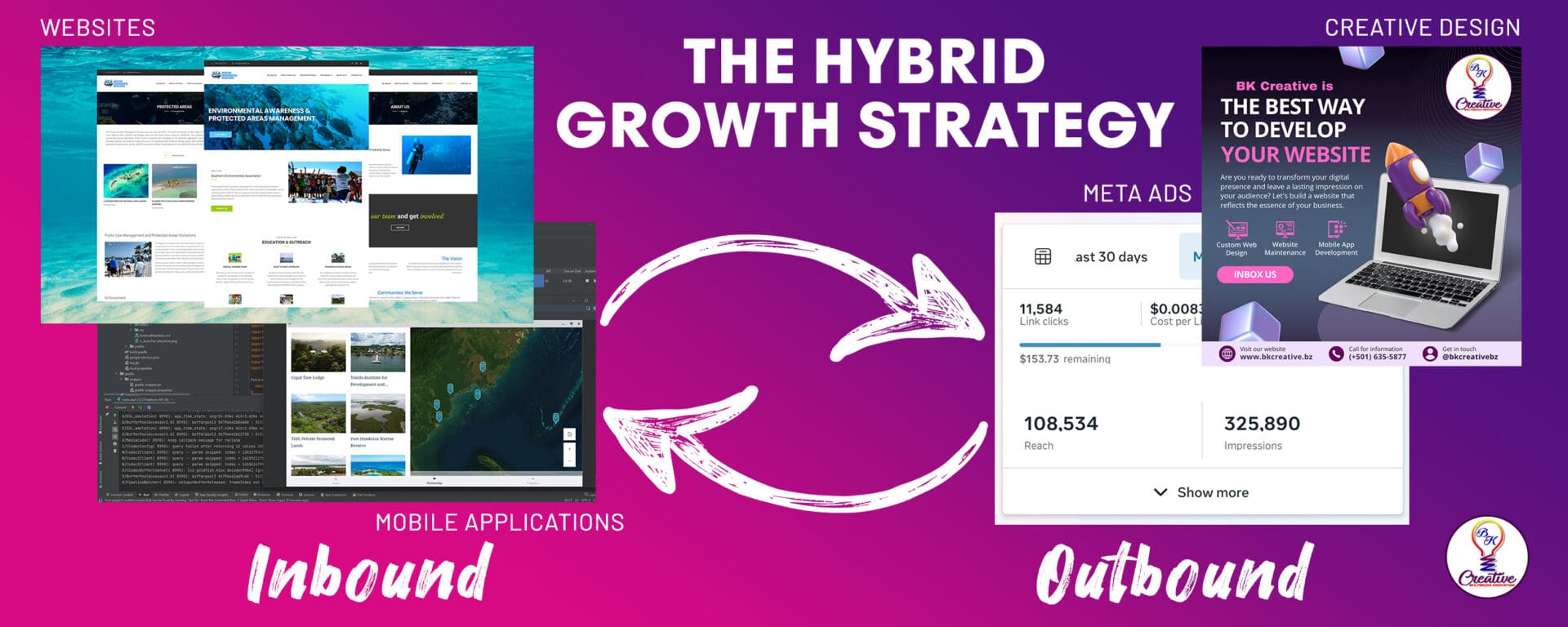
Inbound vs Outbound in 2026: The Hybrid Growth Model
The debate is outdated. The winners in 2026 are not choosing one—they’re orchestrating both.
Inbound builds authority, trust, and long-term acquisition channels.
Outbound accelerates awareness, testing, and short-term revenue.
Neil Patel has long pointed out that inbound strategies often take 6+ months to produce meaningful traction. That hasn’t changed. What has changed is the expectation of speed in business. Companies cannot afford to wait half a year for validation. This is where outbound acts as the growth engine while inbound builds the foundation.
The Smart 2026 Approach
Use Outbound to:
- Launch new products
- Test offers and messaging
- Drive immediate leads
- Retarget warm traffic
Use Inbound to:
- Build brand authority
- Lower customer acquisition cost over time
- Capture high-intent organic demand
- Create durable marketing assets
Together, they create a predictable, scalable growth system.
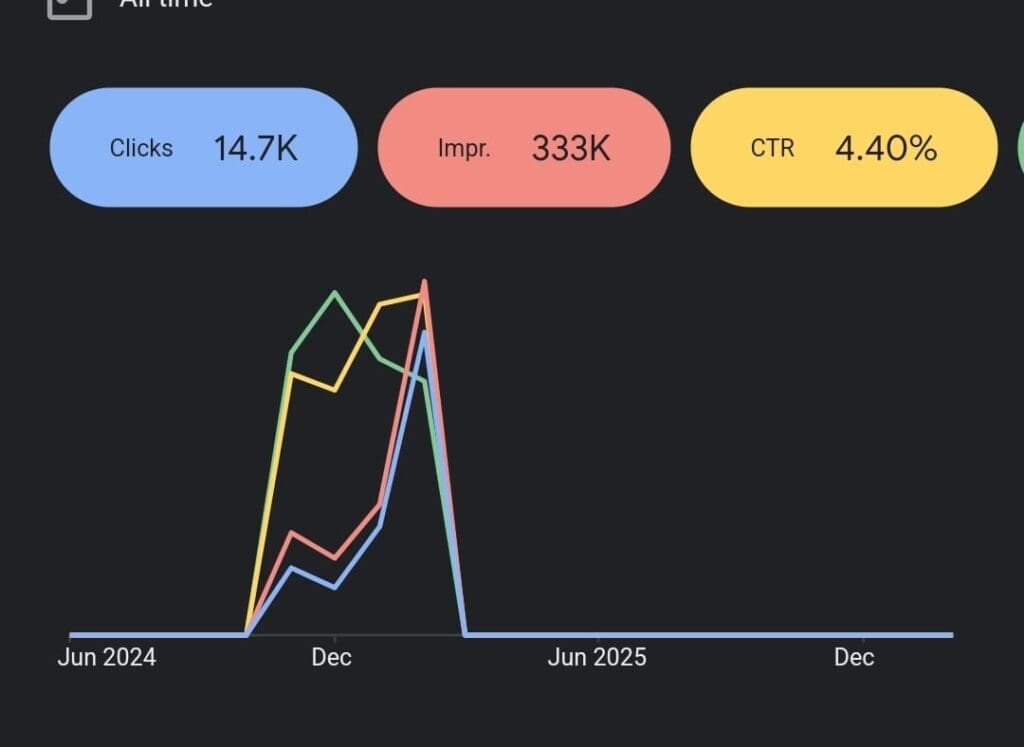
Measure, Learn, Optimize
In 2026, marketing without data is just guessing. Every campaign should be tracked across:
- Cost per lead
- Cost per acquisition
- Conversion rate
- Customer lifetime value
- Funnel drop-off points
Modern tools, analytics platforms, and CRM systems allow you to see exactly where money is being made—or lost. The businesses that win are not the ones that “run ads” or “post content.” They are the ones that systematically improve their marketing engine over time.
Conclusion
There is no single silver bullet in marketing. Sustainable growth comes from strategy, systems, and iteration.
The most resilient businesses in 2026 are those that:
- Combine inbound and outbound intelligently
- Treat marketing as a revenue system, not an expense
- Continuously test, measure, and optimize
- Invest in expertise instead of guessing
If you want to deploy a modern, results-driven marketing strategy built for 2026 and beyond, partnering with a digital agency that understands both performance marketing and long-term brand growth is a strategic move.
Do you want to build a marketing system that actually drives revenue? Reach out to BK Creative for a consultation.
For more information about how BK Creative can help you deploy a successful marketing approach, call us at (+501) 635-5877 or use this contact form for a free consultation.